Related Articles
- Navigating the Shadows: The Overlooked Role of Pre-existing Conditions in Travel Insurance Claims
- Travel Insurance Myths Busted: The Surprising Truth About Coverage for Unusual Activities
- The Surprising Role of Cryptocurrencies in Travel Insurance: A Trend Worth Exploring
- Ghost Routes: Exploring How Abandoned Railways Shape Modern Commute Decisions in Urban Ecosystems
- Navigating Under the Radar: How Obsolete Technologies Are Reimagining Today's Commuting Landscape
- Unconventional Corridors: How Underground Music Scenes Influence Urban Mobility and Transit Choices
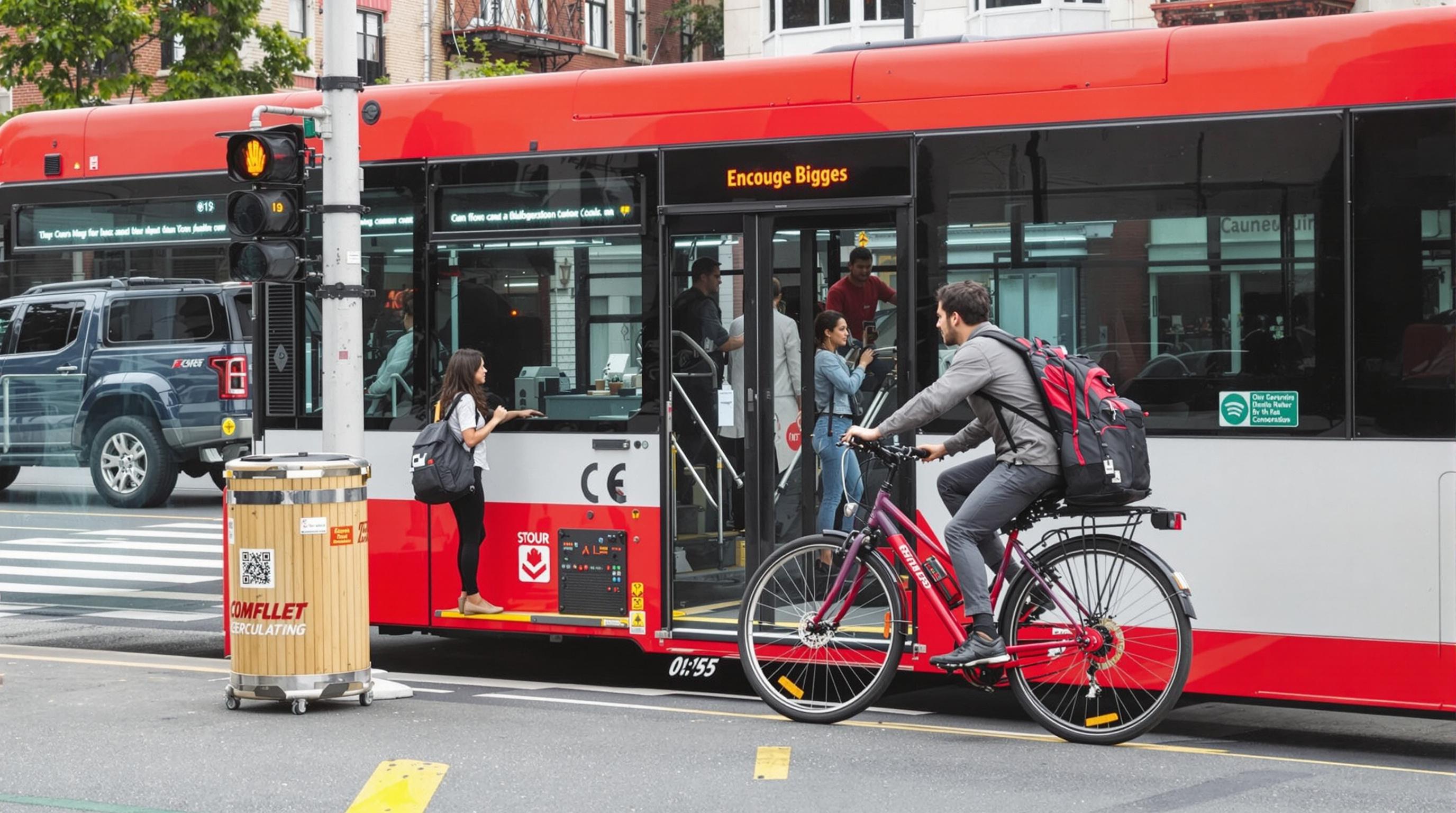
10 Surprising Benefits of Embracing Alternative Transportation for a Healthier, Happier Commute Experience
10 Surprising Benefits of Embracing Alternative Transportation for a Healthier, Happier Commute Experience
10 Surprising Benefits of Embracing Alternative Transportation for a Healthier, Happier Commute Experience
1. Improved Physical Health
Transitioning to alternative transportation methods, such as biking, walking, or even public transit, can significantly enhance your physical health. Engaging in regular physical activities like cycling or walking contributes to cardiovascular fitness, muscle strength, and flexibility. Furthermore, these activities can help combat obesity and reduce the risk of chronic conditions such as diabetes and hypertension.
Studies have shown that individuals who cycle to work can experience lower rates of heart disease. A study published in the British Medical Journal found that cyclists have a 45% lower risk of developing heart disease compared to non-cyclists. By incorporating movement into your daily commute, you can make a significant impact on your overall well-being.
Additionally, walking and biking can lead to an improved body image and self-esteem. As you become more physically active, you may notice changes in your appearance and energy levels, creating a positive feedback loop that encourages further engagement with alternative transportation.
2. Mental Well-being Boost
Alternative transportation can also contribute to improved mental health. Engaging in physical activities like walking or cycling releases endorphins, known as "feel-good" hormones, which can reduce stress and anxiety. Commutes that incorporate movement can offer a welcome break from the hustle and bustle of daily life.
Moreover, being outdoors while commuting can have a restorative effect on the mind. Nature exposure is associated with improved mood and reduced symptoms of depression. A study in the Environmental Science and Technology Journal found that people who spent more time in natural environments reported lower levels of psychological distress.
Switching up your daily routine through alternative forms of transportation can also foster creativity and productivity. By breaking away from the conventional drive to work, you allow your mind to wander and think more freely, often leading to innovative ideas and problem-solving.
3. Cost Savings
Commuting through alternative transportation can lead to substantial financial savings. Public transportation, biking, or walking eliminates expenses associated with fuel, parking, and vehicle maintenance, which can add up significantly over time. A report by the American Public Transportation Association found that individuals can save thousands of dollars annually by opting for public transit instead of driving.
Additionally, employers might offer incentives for employees who bicycle or use public transportation, further enhancing cost savings. Some companies have programs that reimburse commuting expenses or provide subsidies for purchasing bikes, which can lighten the financial burden on employees.
By embracing alternative transportation options, not only do you save money for personal use, but you also contribute to a more sustainable economic model for cities, leading to reduced maintenance costs on infrastructure associated with automobiles.
4. Reduced Environmental Impact
Choosing alternative transportation significantly decreases your carbon footprint. Cars are a leading source of greenhouse gas emissions, while public transit, biking, and walking contribute far less to air pollution. By opting for sustainable modes of transport, you take an active role in fighting climate change.
A study from the U.S. Environmental Protection Agency highlights that public transportation can reduce greenhouse gas emissions by 45% per mile traveled compared to personal vehicles. Each individual who transitions to public transport can result in cleaner air and a healthier planet.
Reducing reliance on fossil fuels not only benefits the environment but also supports the transition to renewable energy resources. As cities invest in better public transport and bike infrastructure, they create more sustainable environments for residents.
5. Enhanced Community Connection
Utilizing alternative transportation connects you more closely with your community. Biking or walking through neighborhoods allows you to interact with local businesses, meet neighbors, and enhance your understanding of your surroundings. This social interaction can foster a sense of community and belonging.
Public transit systems often serve as melting pots of diverse groups, offering opportunities for connection and dialogue. Shared spaces where people commute together can encourage community engagement and collaboration, fostering a sense of unity among residents.
Beyond forming personal relationships, embracing alternative transportation can also lead to increased advocacy for local initiatives that promote sustainable transportation infrastructure and community events, further enhancing local engagement and support for public programs.
6. Increased Productivity
Alternative transportation may help enhance productivity levels throughout the day. For those who bike or walk to work, the increase in physical activity can energize individuals, preparing them better for daily tasks. Studies show that physical activity boosts cognitive function, leading to improved focus and productivity.
Public transportation may also enhance productivity as commuters can utilize travel time to read, work, or engage in leisure activities. A survey conducted by the American Public Transportation Association revealed that 59% of transit users have time to work while commuting, thus maximizing their productivity.
Creating a routine that incorporates movement during commutes can leave you feeling accomplished before even starting your day, resulting in a stronger sense of motivation and efficiency.
7. Greater Time Flexibility
By embracing alternative transportation, you can achieve greater flexibility in how you allocate your time. Cycling or walking may allow you to dodge traffic, giving you quicker access to your destination. Unlike driving, where unexpected traffic can cause delays, alternative transportation often offers more reliable travel times.
Public transit systems often provide dedicated lanes, prioritizing buses and trains over personal vehicles—allowing for faster travel. This flexibility can allow for better time management, enabling individuals to arrive at work or other commitments punctually.
Additionally, incorporating alternative transportation can help you break your commute into chunks, allowing for a more adaptable schedule and creating opportunities for leisure activities or self-care during the commute.
8. Improved Work-Life Balance
Adopting alternative transportation can significantly contribute to achieving a better work-life balance. By reducing the time and stress associated with traditional commuting, you can create more space for personal activities and family time. This newfound balance fosters a healthier lifestyle overall.
Moreover, integrating alternative transportation can encourage a culture of flexibility in workplaces, leading to remote work options or compressed workweeks. Companies benefit from employees who are less stressed and more content, resulting in higher retention rates.
A Harvard Business Review study found that employees with better work-life balance are more likely to report higher job satisfaction and greater loyalty to their employers, showing that a happy commute can translate to a happier workplace.
9. Enhanced Safety
Using alternative transportation can also enhance personal safety. Biking and walking often utilize dedicated paths, reducing interaction with motor vehicles and minimizing accidents. Plus, many cities actively promote safety by implementing bike lanes and improving pedestrian infrastructure, ensuring safer environments.
Furthermore, commuting via public transport reduces the likelihood of experiencing traffic-related incidents. For example, a report from the National Highway Traffic Safety Administration shows that the odds of being in a fatal accident decrease significantly when using public transport compared to individual driving.
As communities recognize the need for safe commuting options, this focus on alternative transportation fosters a culture of safety in urban planning and development.
10. Building a Sustainable Future
Finally, embracing alternative transportation methods aligns with the vision of a sustainable future. By reducing traffic congestion and greenhouse gas emissions, individuals can play a pivotal role in promoting long-term environmental goals. Progress towards sustainability needs participation from all community members.
As more individuals adopt alternative transportation options, towns and cities are encouraged to invest in infrastructure that supports sustainable practices. Communities that prioritize cycling paths, pedestrian-friendly environments, and effective public transit systems can attract new residents and businesses, leading to economic growth.
From all the benefits outlined, it is clear that embracing alternative transportation is not only beneficial to individuals but also crucial for community and planetary health. Every small change contributes to the larger goal of creating sustainable and healthier urban environments.
Read More