Related Articles
- Navigating the Shadows: The Overlooked Role of Pre-existing Conditions in Travel Insurance Claims
- Travel Insurance Myths Busted: The Surprising Truth About Coverage for Unusual Activities
- The Surprising Role of Cryptocurrencies in Travel Insurance: A Trend Worth Exploring
- Ghost Routes: Exploring How Abandoned Railways Shape Modern Commute Decisions in Urban Ecosystems
- Navigating Under the Radar: How Obsolete Technologies Are Reimagining Today's Commuting Landscape
- Unconventional Corridors: How Underground Music Scenes Influence Urban Mobility and Transit Choices
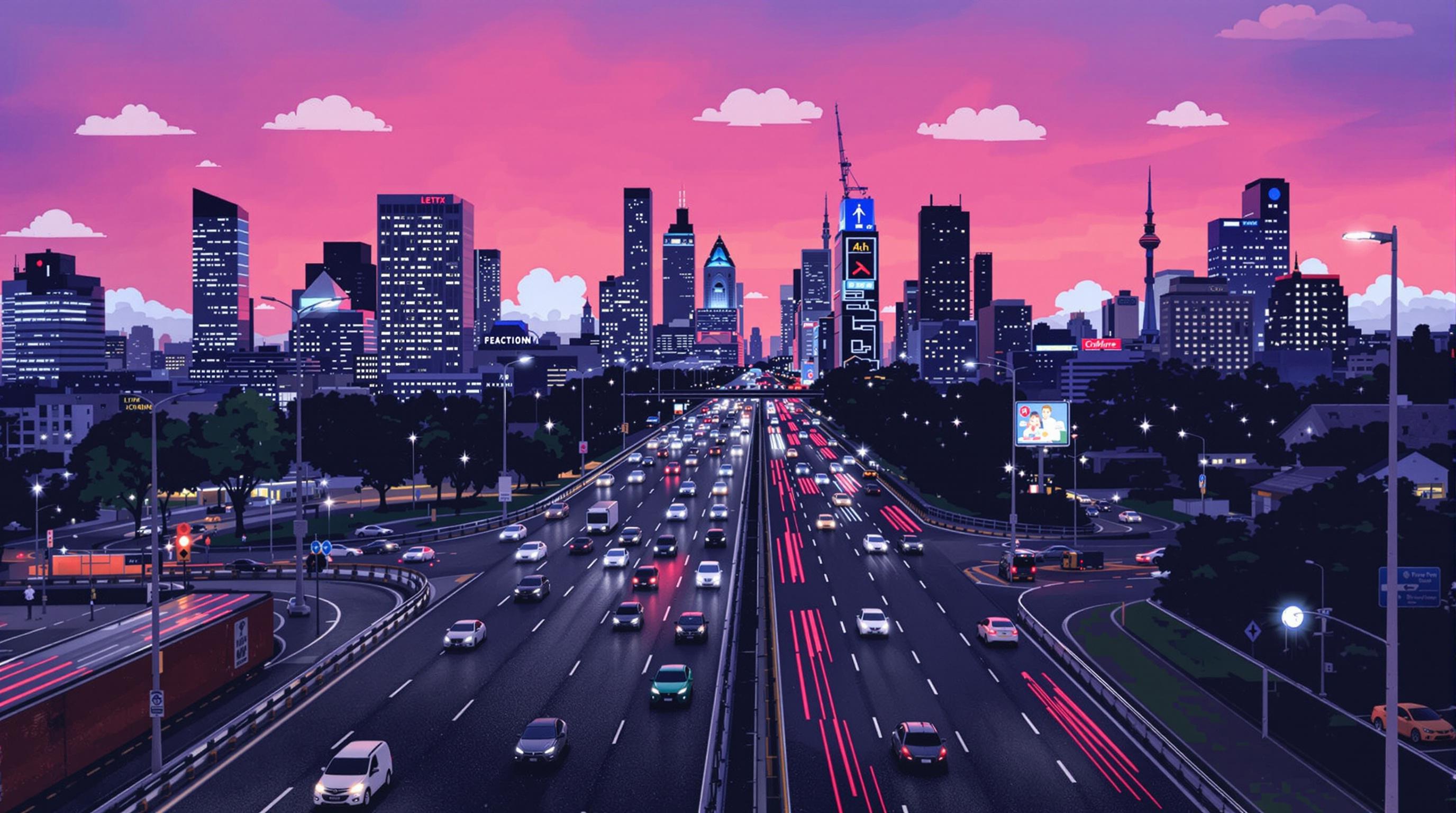
The Hidden Impact of Remote Work on Urban Transportation Patterns and Future Commute Trends
The Hidden Impact of Remote Work on Urban Transportation Patterns and Future Commute Trends
Remote work has dramatically reshaped urban transportation patterns and will likely influence future commute trends in unexpected ways. This article explores the hidden impacts of working from home, providing insights into evolving travel behaviors and the repercussions for urban infrastructure.
The Rise of Remote Work: A Historical Perspective
Let’s step back and look at the underlying causes of the remote work revolution. Originally sparked by technological advancements and later accelerated by the COVID-19 pandemic, remote work has gone from a quirky option for the tech-savvy to a mainstream modality for millions of employees globally. In fact, a study by Stanford University found that productivity increased by 13% among remote workers, showcasing that perhaps the office was never as essential as once thought (Bloom et al., 2015).
Changing Urban Landscapes
As people ditch their daily commutes, urban areas are undergoing a transformation. Streets once bustling with cars have seen a notable decrease in traffic congestion. For instance, during the early lockdowns in 2020, New York City observed a 90% drop in traffic volumes, leading to cleaner air and quieter streets (NYC Department of Transportation, 2020). Sidewalk cafes and pop-up bike lanes became the new normal as cities adapted to a different way of life.
The Statistics Behind Commute Trends
What do the numbers tell us? According to a survey conducted by McKinsey & Company, nearly 50% of Americans expect to continue working remotely at least part-time long after the pandemic subsides (McKinsey & Company, 2021). The implications are staggering: with fewer people commuting daily, public transport systems face significant challenges, including decreased funding and ridership.
Public Transport Struggles
Public transport systems, which often rely heavily on daily commuters, are feeling the pinch. For example, San Francisco's Bay Area Rapid Transit (BART) reported a decline of 90% in ridership during the pandemic (BART, 2020). This not only impairs their operational budget but also affects the city’s carbon footprint goals. As more employees opt for remote work, transit authorities must pivot quickly; they can no longer depend on the traditional commuter demographic they catered to for decades.
Impact on Urban Infrastructure
With remote work reshaping the socio-economic landscape, urban planners are forced to rethink cities’ designs. One emerging trend is the reduction within office real estate. For instance, in 2022, the U.S. saw a 15% decline in office space leases compared to pre-pandemic levels (CBRE, 2022). Greater emphasis on mixed-use spaces that integrate remote working stations, residential units, and recreational areas might become the blueprint of the future city.
New Modes of Transportation: An Unexpected Shift
As people seek alternatives to traditional commuting, another trend is rising: micro-mobility. E-scooters, e-bikes, and even electric skateboards have surged in popularity. A survey by the National Association of City Transportation Officials (NACTO) found that shared micro-mobility ridership rose by 60% from 2019 to 2020, illustrating a shift in how urban dwellers navigate their environments (NACTO, 2021). This newfound love for a more mobile lifestyle could be a silver lining to the otherwise challenging landscape of urban transportation.
Environmental Implications
The environmental benefits of reduced commuting are impossible to ignore. According to the International Energy Agency (IEA), global CO2 emissions fell by an unprecedented 7% in 2020, largely due to diminished transportation activity (IEA, 2021). However, as life returns to a degree of normalcy, will emissions bounce back? It’s a quandary that urban planners must navigate carefully.
A Shift in Worker Psychology
Let’s add a bit of humor: If you asked anyone working remotely if they miss their commute, you'd likely get a blank stare—or perhaps, a chuckle followed by emphatic "No!" The true shift goes beyond just convenience; it’s a new identity for workers. The daily grind of waking up early, battling traffic, and squeezing onto crowded trains is giving way to sleepy breaks with home espresso machines and spontaneous midday walks. This psychological shift translates to happier, more satisfied workers, increasing productivity across various sectors.
Case Study: Amsterdam's Bicycle Revolution
Let's zoom in on Amsterdam, a city known for its cycling culture. With a significant percentage of its workforce working from home during the pandemic, Amsterdam saw an uptick in bike purchasing and usage. In Spring 2021, bike sales shot up by 30% compared to previous years, affecting not only personal health but also city planning. As fewer cars take to the streets, the city plans to expand its cycling infrastructure. In this way, remote work can catalyze healthier urban environments and lifestyles.
Future Commute Trends
Looking ahead, one could envision a hybrid model that intertwines remote working and traditional commuting. For instance, rather than five days in the office, what if employees only had to show up two to three times a week? Commuter traffic on those select days may still exist, but the burden will be lessened—less traffic congestion, reduced carbon emissions, and the chance for cities to rethink daily route logistics.
Coupled with the rise of flexible workspaces, like co-working offices and shared spaces, the entire concept of the "commute" might be redefined. What if instead of zipping into the city for a nine-to-five, you hopped onto a train for an hour of productivity in a serene rural landscape? This could foster a new way of living and working—creating balance rather than the usual hustle.
An Invitation to Urban Planners and Policy Makers
To urban planners and policymakers, the message is clear: adapt or get left behind. Embracing the remote work trend is not merely a necessity but an opportunity to create urban environments that are sustainable, inclusive, and efficient. Cities that pivot to incorporate remote work flexibility into their infrastructure will inevitably see better livability, improved public health, and environmental gains.
Conclusion: The Future is Now
In conclusion, the hidden impact of remote work is reshaping urban transportation patterns in fundamental ways. As business leaders and employees alike embrace remote work, urban planners have an unprecedented opportunity to innovate urban living and working environments. By understanding these shifts and investing in new transportation models, we can ensure that cities thrive in this new era.
So whether you're a commuter gearing up for the return of your old routine or a remote worker relishing the freedom of working from pajamas—one thing is sure: the landscape of commuting is transforming, and the future holds exciting opportunities for all of us.
What do you think? Are you ready for a new commuting reality? Join the conversation! Your insights could be the key to the next big change in urban transportation.
Read More