Related Articles
- Navigating the Shadows: The Overlooked Role of Pre-existing Conditions in Travel Insurance Claims
- Travel Insurance Myths Busted: The Surprising Truth About Coverage for Unusual Activities
- The Surprising Role of Cryptocurrencies in Travel Insurance: A Trend Worth Exploring
- Ghost Routes: Exploring How Abandoned Railways Shape Modern Commute Decisions in Urban Ecosystems
- Navigating Under the Radar: How Obsolete Technologies Are Reimagining Today's Commuting Landscape
- Unconventional Corridors: How Underground Music Scenes Influence Urban Mobility and Transit Choices
Unlocking Your City: The Quirky Link Between Street Art and Improved Public Transit Experiences
Unlocking Your City: The Quirky Link Between Street Art and Improved Public Transit Experiences
Street art and public transit might seem like an unlikely duo, but their intersection offers a vivid pathway to not just beautification, but community engagement and improved transit experiences. This article explores the quirky connections between artistic expression on city streets and the ways transit systems can become more vibrant, welcoming, and efficient spaces for urban dwellers.
Art in Motion: Transforming the Commute
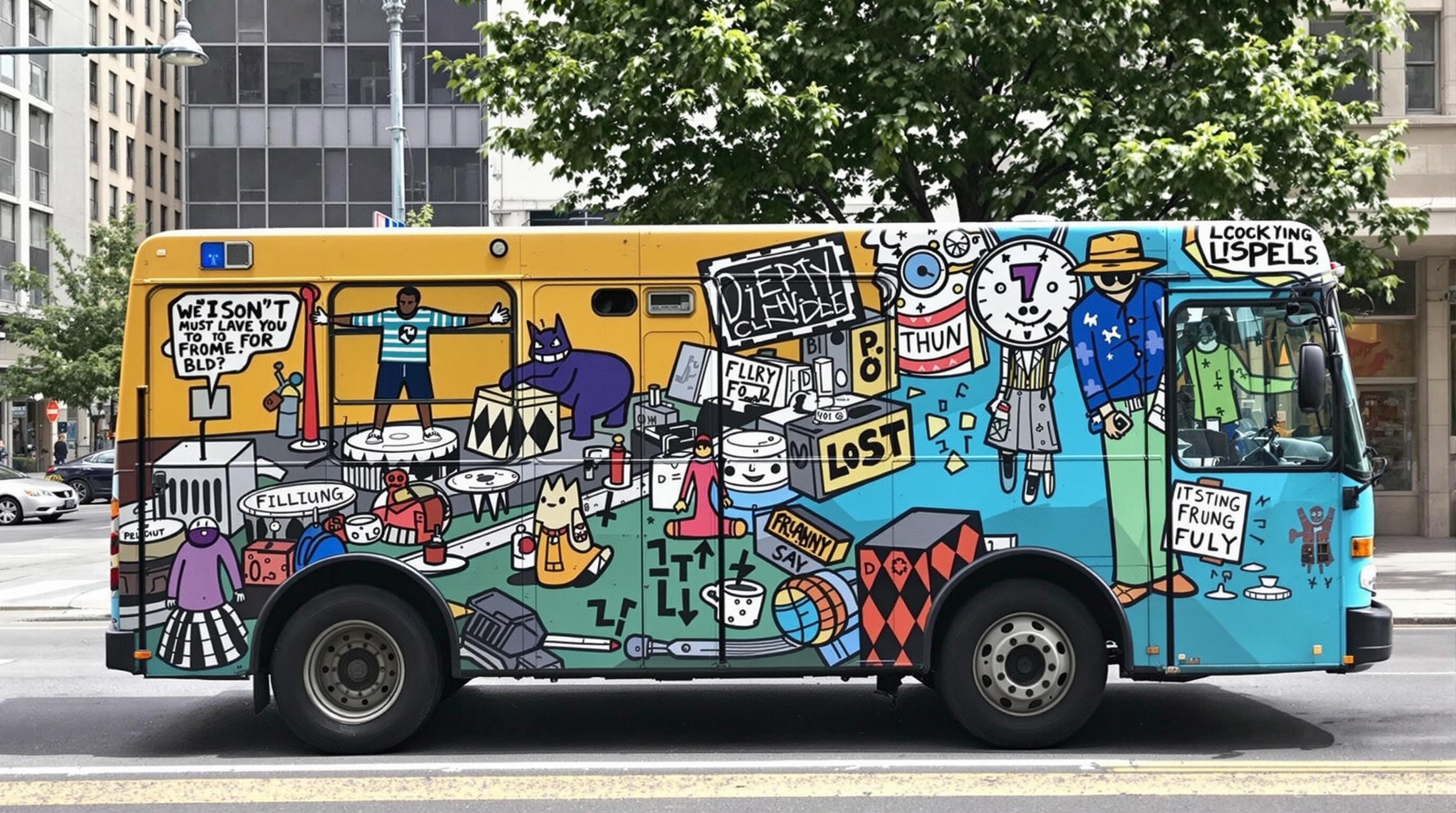
Imagine stepping onto a train car adorned with stunning murals that tell the stories of the community. This is not just a dream; cities like San Francisco and Berlin have already taken the plunge to integrate street art into their transit systems, effectively transforming mundane commutes into immersive cultural experiences.
The Case of San Francisco
In San Francisco, the “Muni Art Project” has collaborated with local artists to decorate buses and train stations with vibrant murals and installations. According to a report by the San Francisco Arts Commission, communities that engage with local art reported a 20% increase in perceived enjoyment of public spaces (San Francisco Arts Commission, 2020). This art serves as a catalyst for social interaction and creates lasting impressions that enhance the overall transit experience.
Engagement and Connection
Art fosters connection. Consider how street art can serve as a talking point among passengers. When commuters engage in conversations about a particular mural or installation, it breaks down the usual barriers of silence and anonymity typical of public transport. Young urban professionals and teenagers alike find common ground in shared experiences, making public transit feel less isolating.
The Economic Perspective
As an 18-year-old writer just starting my journey, it's fascinating to dive deep into the ways art can transform not just spaces, but also economies. The integration of street art into transit systems isn't just about aesthetics; it can lead to significant financial returns. A study from the National Endowment for the Arts revealed that cities with flourishing art scenes often attract higher numbers of tourists, boosting local businesses and enhancing property values.
Statistics Don't Lie
Check this out: a 2019 report indicated that cities investing in public art saw property values rise by an average of 10% (National Endowment for the Arts, 2019). When you think of street art, consider it as an investment—not purely in beautification, but in the economic potential of an area! A vibrant urban landscape attracts visitors, and exuberant murals can turn neighborhoods into hotspots of culture and commerce.
The Psychological Boost
This quirky partnership also influences mental well-being. The World Health Organization has emphasized the role of green and artistic spaces in improving public health (World Health Organization, 2021). Commuters surrounded by colorful and engaging design report feeling less stressed, thus making their daily travel less of a burden. Who wouldn’t want to be greeted by a burst of color or an inspiring mural on their way to work? That’s art being functional!
From Drab to Fab: The Role of Community
Nothing breathes life into a space like the voice of its community. Community-driven street art projects allow local artists from diverse backgrounds to express themselves creatively. This participatory approach ensures that the art is a true reflection of the people it represents. The “Art on the Street” initiative in Austin, Texas, encourages local artists to collaborate with neighborhood organizations to create pieces that reflect local culture and experiences. Statistics show that neighborhoods involved in such projects reported a 30% increase in community identification (Austin Arts Commission, 2021).
Storytelling Through Art
Street art tells stories. It's social commentary, cultural expression, and a historical record all wrapped into one. The work of artists like Banksy and Shepard Fairey emphasizes societal issues, and when placed near transit hubs, these messages are amplified to daily commuters. Every layer of paint can evoke conversation, provoke thought, or inspire action—transforming every bus stop into an open-air gallery. Isn’t it nice to reflect on these stories during a mundane bus ride?
Hurdles and Challenges
While the benefits seem clear, it’s important to address the potential hurdles. Street art does face criticism from some who see it as vandalism. However, when integrated thoughtfully into public spaces, it can serve as a beautiful bridge between urban planning and cultural expression. This is not merely graffiti; rather, it’s art that invites dialogue and expression. The Urban Institute notes that 73% of residents in neighborhoods with sanctioned art reported improved feelings of safety and security (Urban Institute, 2022).
Building a Supportive Framework
For cities to truly benefit from the quirky relationship between street art and transit, they must build frameworks that support local artists and sustainable practices. Creative grants, public competitions, and partnerships with art schools can incentivize fresh talent to contribute to transit beautification. Cities like New York have launched initiatives creating “Art in the Streets” which focus on engaging youth artists and establishing platforms for expression, resulting in a flourishing art scene that’s both iconic and inclusive.
Closing the Loop: A Unified Vision
As city dwellers, it's essential to recognize that the journey of integrating street art into public transit goes beyond just aesthetics. It's an opportunity to unite communities, tell stories, and reshape the narrative of urban transit. Imagine a day where every bus ride becomes a cultural expedition, where murals inspire, provoke, and elicit joy in equal measure.
Your role as a Citizen
What can you do? Get involved! Advocate for public art projects within your transport systems. Support local artists by attending gallery shows or purchasing pieces from local markets. The conversation doesn't stop here—share your favorite street art moments on social media and encourage your friends to explore art-infused transit experiences. As a community, we have a collective power to shape our urban experience!
Final Thoughts
Embrace the whimsical relationship between street art and improved public transit experiences. Let's unlock our cities, allowing art to guide us through our daily lives and transform routine commutes into colorful journeys. The streets belong to us all—let's celebrate that through art, one mural at a time!
Read More