Related Articles
- Navigating the Shadows: The Overlooked Role of Pre-existing Conditions in Travel Insurance Claims
- Travel Insurance Myths Busted: The Surprising Truth About Coverage for Unusual Activities
- The Surprising Role of Cryptocurrencies in Travel Insurance: A Trend Worth Exploring
- Ghost Routes: Exploring How Abandoned Railways Shape Modern Commute Decisions in Urban Ecosystems
- Navigating Under the Radar: How Obsolete Technologies Are Reimagining Today's Commuting Landscape
- Unconventional Corridors: How Underground Music Scenes Influence Urban Mobility and Transit Choices
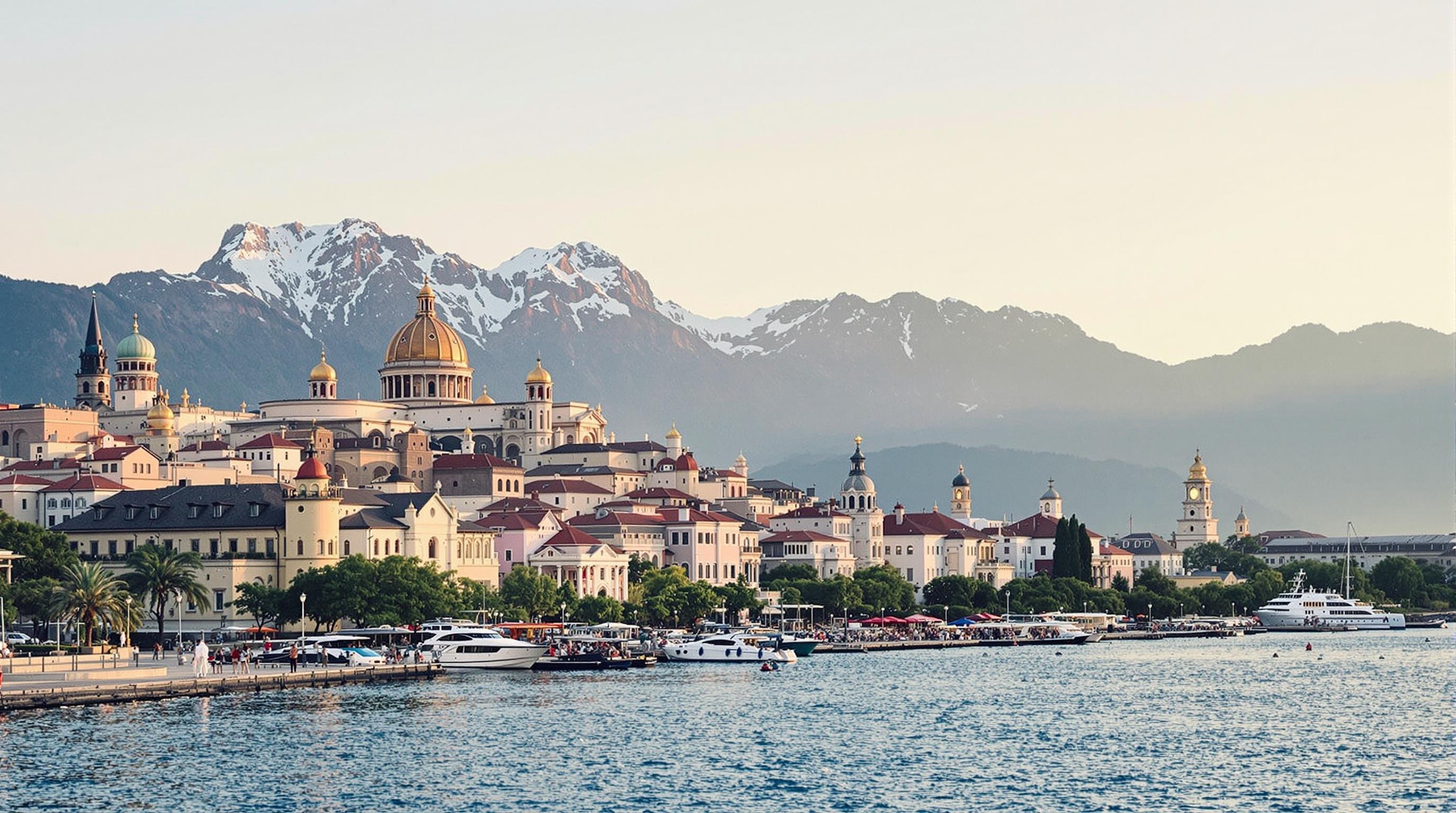
Unlocking Travel Economies: How Seasonal Shifts in Destinations Can Lead to Surprising Savings and Experiences
Unlocking Travel Economies: How Seasonal Shifts in Destinations Can Lead to Surprising Savings and Experiences
Embracing the seasonal shifts of travel destinations can unlock not only astonishing savings but also unique experiences that many overlook. By understanding these patterns and making informed choices, travelers can truly delve into authentic local cultures and enjoy remarkable adventures at a fraction of the cost.
Understanding the Travel Seasons
Every destination experiences a unique rhythm throughout the year, largely defined by its seasons. For example, tropical locales like Bali or the Caribbean usually see peak tourist seasons from December through March due to their appealing warmth, whereas ski resorts like Aspen or Whistler draw in crowds from November to April. Understanding these travel seasons is crucial for discerning when to visit and how to maximize savings.
The Hidden Costs of Peak Season
During peak tourist seasons, prices skyrocket; accommodations can become three times more expensive, and attractions may be overcrowded. According to the American Express Travel survey, travelers can save up to 40% on travel costs by planning vacations during the shoulder seasons, which are the periods just before or after the peak season. For instance, visiting Rome in late September instead of July could lead to significant financial savings, and the city would be less crowded, allowing for a more enjoyable experience.
A Seasonal Perspective: Case Study of Iceland
Take Iceland, where the infamous Northern Lights draw visitors from around the globe. While the aurora borealis can be spotted from late September to early April, the peak season tends to be December to February. However, early fall can also offer stunning views under the midnight sun without the overwhelming tourist crowds. According to Visit Iceland, travelers who plan their trips in September can enjoy daily tours at up to 30% less cost than in peak winter months—plus, the weather is still mild and the autumn landscapes are breathtaking.
Booking Your Escape: Savings Around the Globe
Planning to navigate travel economies effectively requires a bit of strategy. Whether it’s utilizing flexible travel dates or monitoring flight pricing trends online, small tweaks can make a world of difference. Websites like Skyscanner and Google Flights offer tools for price comparisons, allowing travelers to pinpoint the best times for deals. In fact, a recent study by the Airlines Reporting Corporation reveals that booking flights 54 days in advance can save travelers an average of 20% on their tickets.
Convincing Your Friends—Or Not?
“Why must we go to Paris in the summer when we can enjoy the romantic charm of Paris in the spring?” If you've found yourself in a debate about when is the best time to travel with your friends, here's ammunition for your argument: fewer tourists, lower rates, and exquisite weather. Imagine sipping espresso at an outdoor café under the cherry blossoms in April instead of dealing with sweaty crowds in July. And who doesn’t love saving money while enjoying their getaway?
Accent on Off-Peak Destinations
For those who appreciate understated beauty, consider heading to places like Dubrovnik or Santorini during the off-peak months. The true charm of these cities often remains hidden under the waves of tourists that flood in during the summer. In fall and spring, you can wander the iconic ancient walls of Dubrovnik without feeling like a sardine packed into an overstuffed can, all while enjoying accommodation rates that can drop to half their summer price.
Unexpected Experiences Await
Traveling during off-peak seasons opens the door to unexpected experiences. Local festivals, freshly harvested produce at farmer's markets, and the chance to meet the locals without the hustle of a tourist-laden crowd are just a few advantages. For example, visiting Japan in late April for hanami (cherry blossom viewing) often provides not only stunning natural beauty but also an immersively authentic experience as the country celebrates an event deeply rooted in its culture.
Weather or Not? Climate Considerations
Considering the weather is vital, too. Planning a trip to Thailand in July might come with monsoon considerations—but it's offset by the fact that prices drop significantly during this period. Plus, savvy travelers can sometimes find that intimacy with the land—a quiet beach under rainy skies can unveil a different kind of beauty.
The Adventure of Local Cultures
Many travelers overlook seasonal shifts and local events in favor of just seeking out the most popular monuments. Yet, someone who visits New Orleans during Mardi Gras is likely to face dense crowds, while a trip in late fall might align with jazz festivals offering richer cultural experiences without the buzz of tourists. The intimate local experiences often translate into memorable travel stories—stories far more meaningful than a simple photo at a crowded landmark.
Statistics that Matter
In fact, the United Nations World Tourism Organization (UNWTO) reports that travelers are increasingly becoming aware of the benefits of off-season travel. Altering travel patterns means better distribution of economic benefits across various regions and lesser impact on local infrastructures. Savvy travelers who plan their journeys around these insights often help local businesses thrive during seasons that would otherwise be considered slow.
Conclusion: Crafting Your Travel Story
Embarking on a journey that takes into consideration seasonal shifts and local economies truly makes for a uniquely tailored travel story. It’s an adventure ripe with lessons of patience, adaptability, and discovery. Whether you are 18 or 70, you have the agency to choose—why not save both money and time while unlocking experiences that many might never know? Travel is more than just a destination; it’s about the story you create and the memories you forge along the way.
Read More