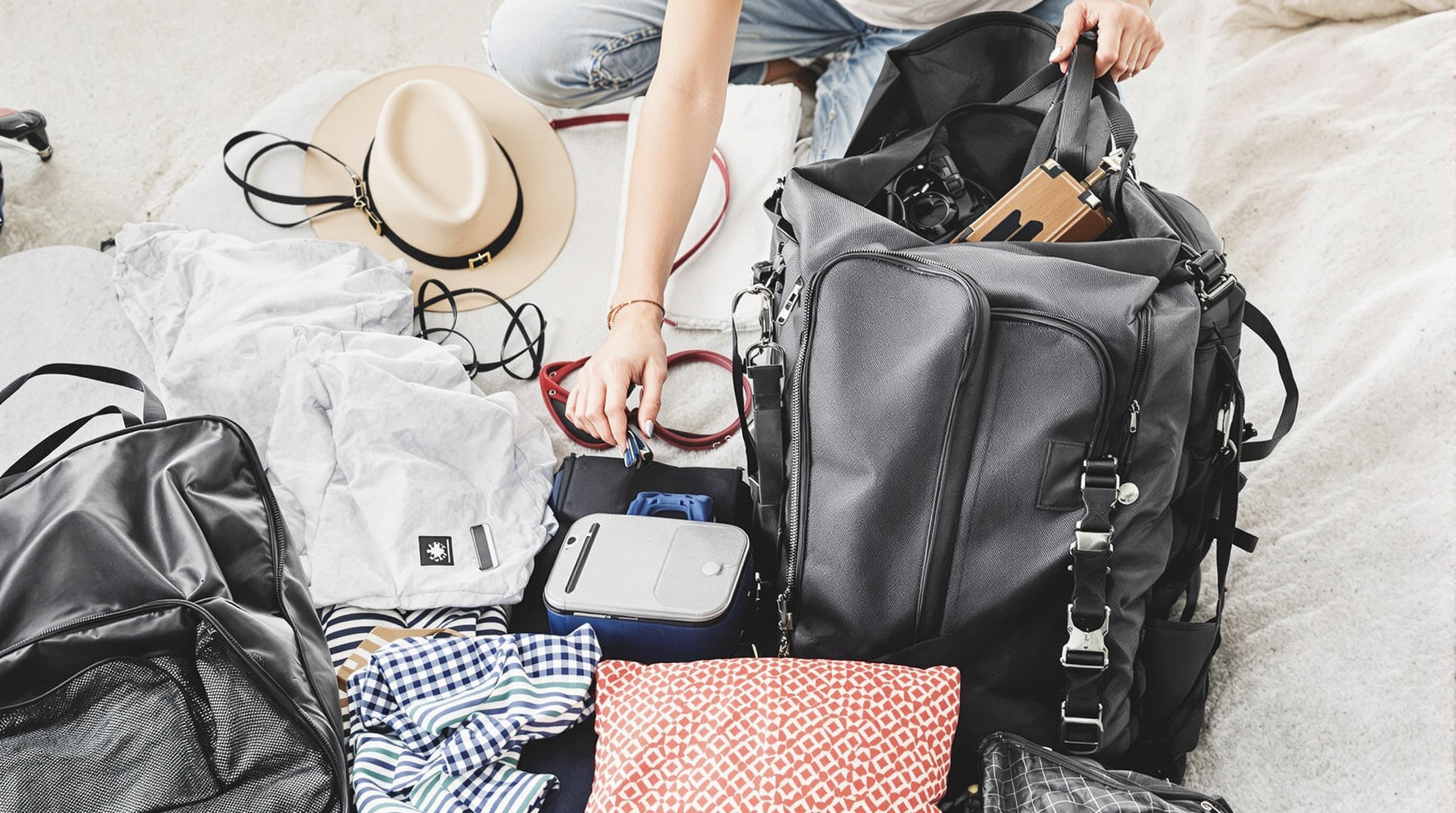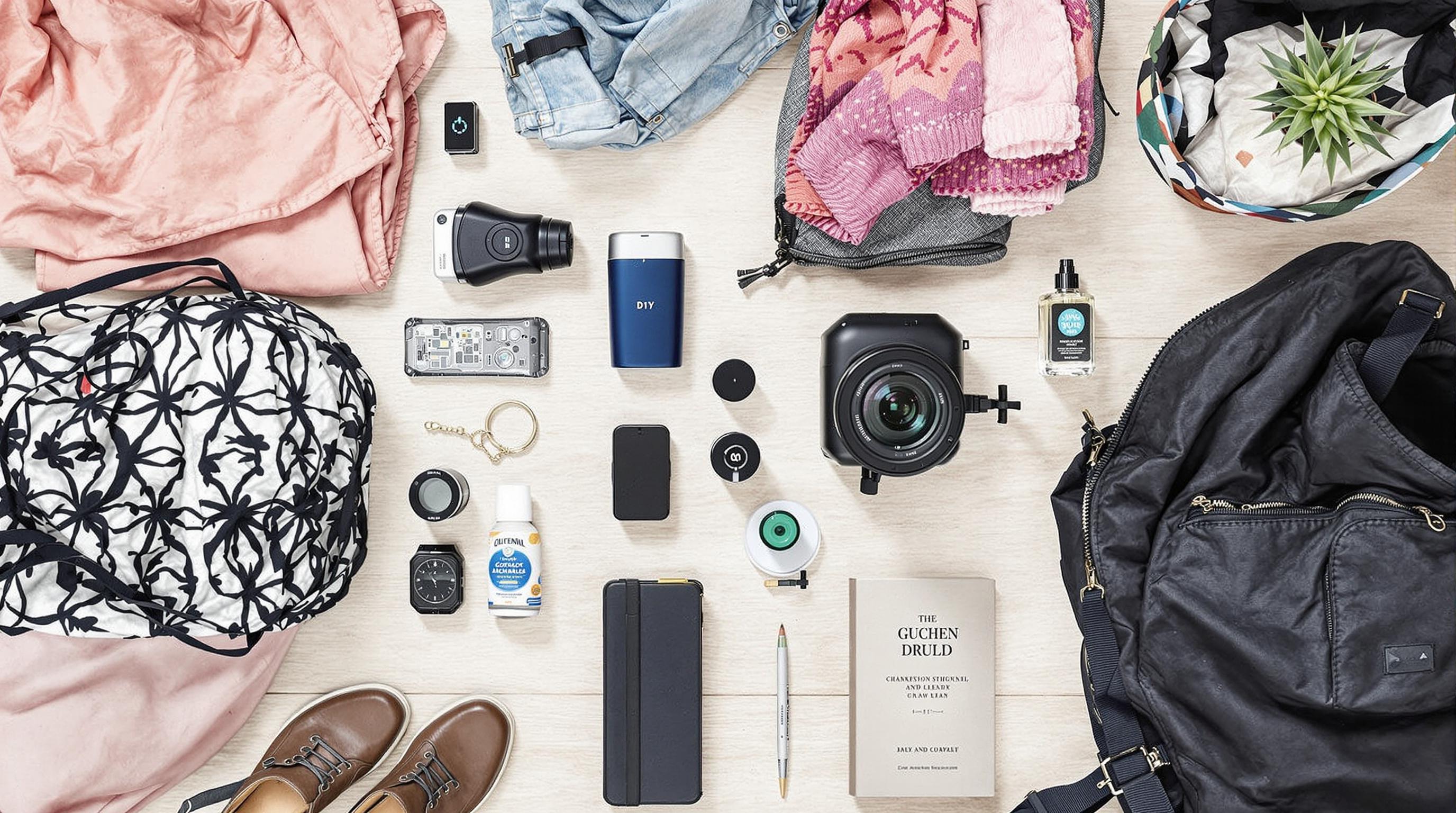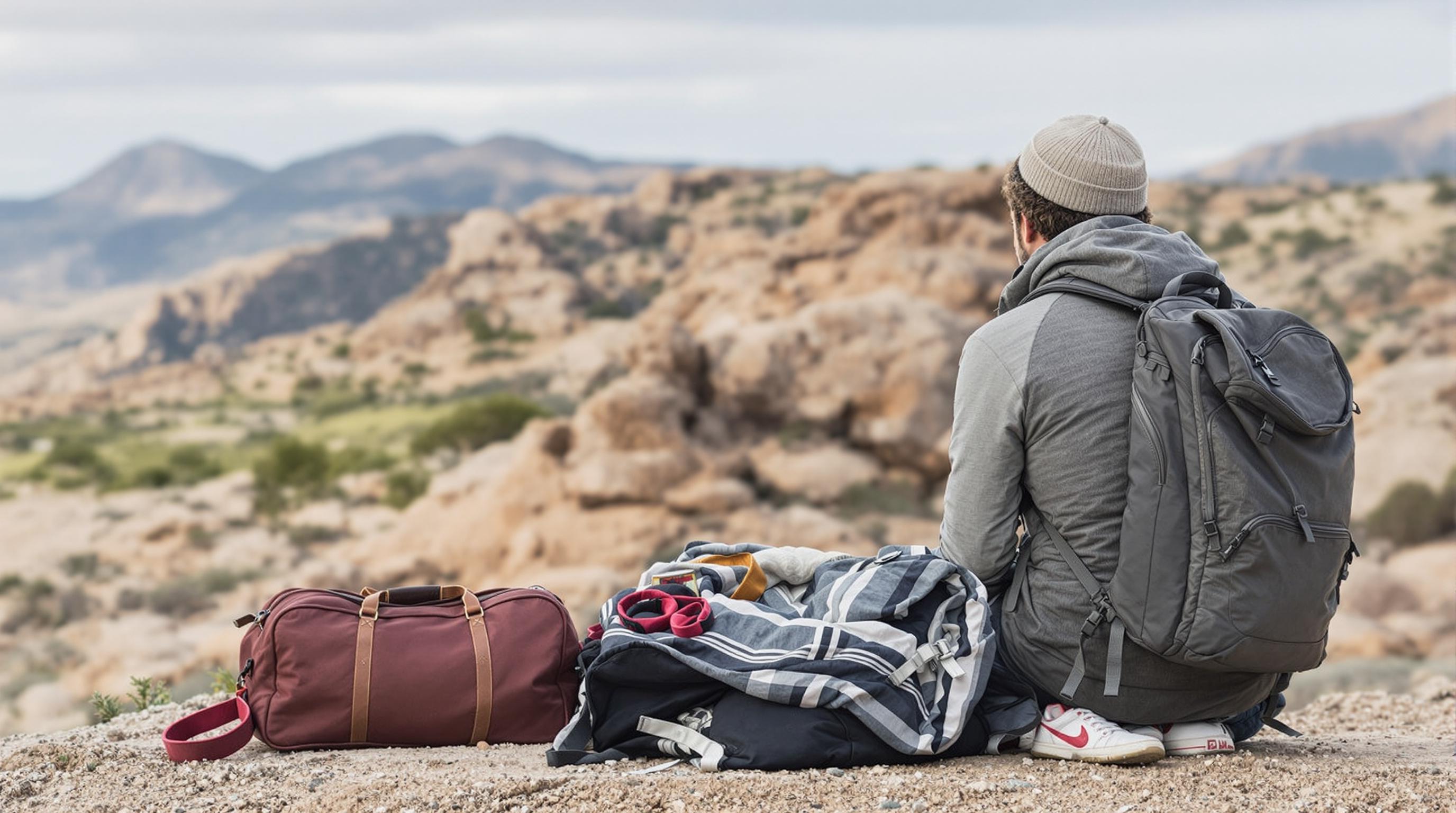
Related Articles
- Navigating the Shadows: The Overlooked Role of Pre-existing Conditions in Travel Insurance Claims
- Travel Insurance Myths Busted: The Surprising Truth About Coverage for Unusual Activities
- The Surprising Role of Cryptocurrencies in Travel Insurance: A Trend Worth Exploring
- Ghost Routes: Exploring How Abandoned Railways Shape Modern Commute Decisions in Urban Ecosystems
- Navigating Under the Radar: How Obsolete Technologies Are Reimagining Today's Commuting Landscape
- Unconventional Corridors: How Underground Music Scenes Influence Urban Mobility and Transit Choices
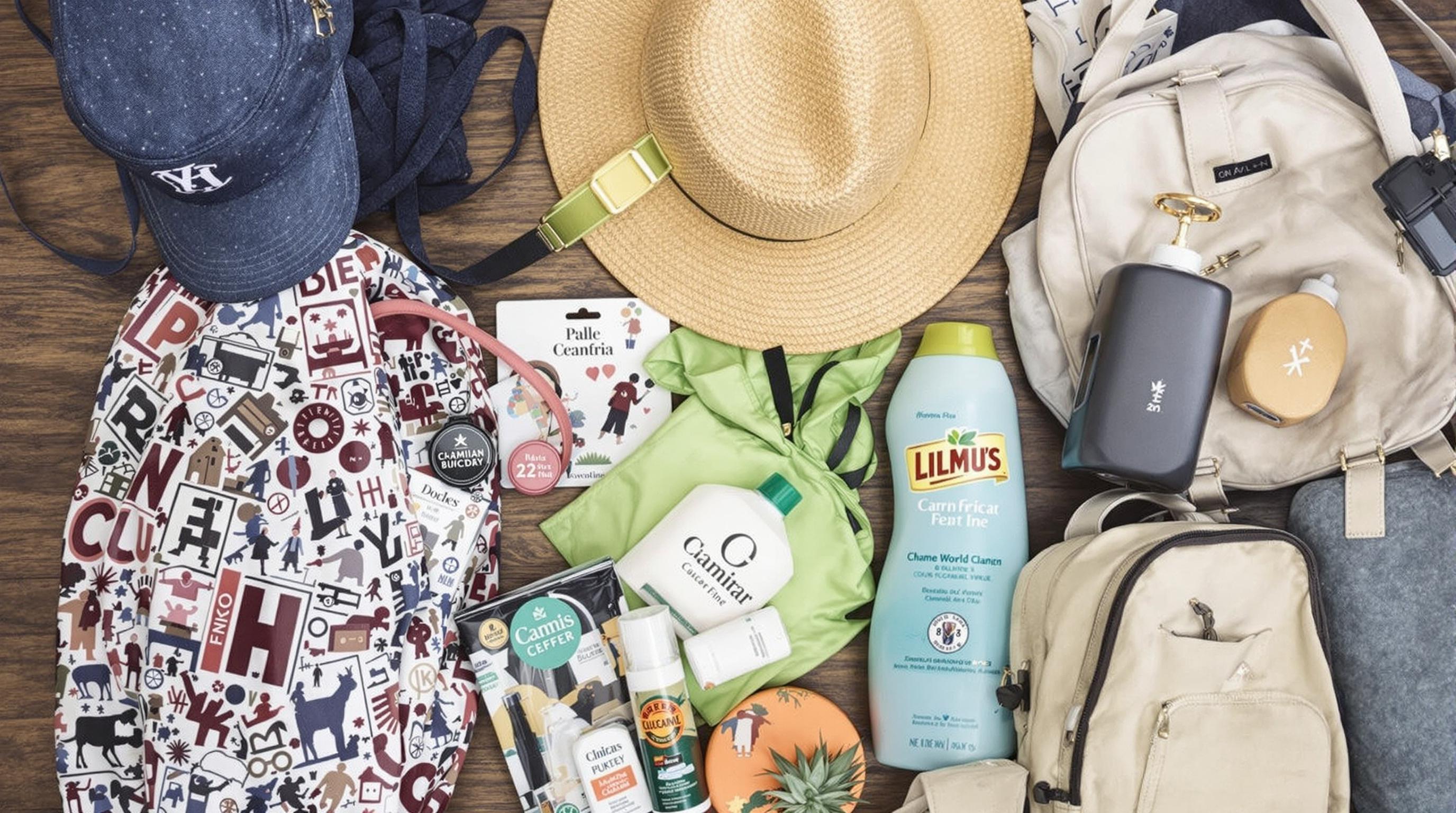
9 Unexpected Strategies for Eco-Friendly Packing: How Sustainable Choices Can Transform Your Travel Experience
9 Unexpected Strategies for Eco-Friendly Packing: How Sustainable Choices Can Transform Your Travel Experience
9 Unexpected Strategies for Eco-Friendly Packing: How Sustainable Choices Can Transform Your Travel Experience
1. Choose Reusable Packing Cubes
Packing cubes have long been favored by travelers for their organizational benefits, but opting for reusable packing cubes can further enhance your eco-friendly travel experience. Made from sustainable materials, these cubes help compartmentalize your clothing and belongings without generating additional waste. By investing in high-quality, reusable options, you replace single-use plastic bags, thus reducing your overall carbon footprint.
Moreover, packing cubes can also save space in your luggage, allowing for more efficient packing. This means fewer trips and potentially less fuel consumption if you’re flying. The ability to compress items into designated compartments not only streamlines your packing process but also enhances your travel experience by making items more accessible while on the go.
Multiple brands focus on sustainability by using recycled fabrics and natural materials in their packing cubes. Brands like REI and The Container Store offer eco-conscious products that don’t compromise on durability or functionality, thus proving that sustainability can merge seamlessly with modern travel necessities.
2. Make Your Own Toiletry Kits
Store-bought toiletry kits often come in non-recyclable plastic packaging that contributes to landfill waste. Instead, consider creating your own eco-friendly toiletry kit using reusable containers. Glass or aluminum travel bottles can be filled with your favorite shampoos, conditioners, and lotions. Not only does this choice reduce waste, but it also allows you to pack only what you need.
By customizing your toiletry kit, you can also investigate zero-waste alternatives, such as shampoo bars or conditioner solids. These options typically come with minimal packaging and produce much less environmental impact. Many brands specialize in sustainable personal care products, ensuring you don't have to compromise on quality or convenience while being eco-conscious.
The DIY approach to toiletries also adds a personal touch to your travel routine. It allows you to dictate the quality of ingredients, supporting small businesses that emphasize sustainability and ethical sourcing. This conscious decision fosters a connection to the products you use while also supporting a more sustainable travel ethos.
3. Embrace Digital Travel Essentials
In a world driven by technology, leveraging digital alternatives can significantly cut back on physical packing materials. Instead of carrying paper maps, travel guides, and physical boarding passes, use your smartphone for everything from navigation to itineraries. Many travel apps now boast extensive information on local attractions and recommendations.
By digitizing your travel essentials, you help minimize paper waste while ensuring that all your important information is conveniently stored in one place. Moreover, using fewer physical items can also help lighten your luggage, which has the added benefit of potentially saving money on airline baggage fees.
Additionally, keeping your travel documents digital can bolster your security. With password-protected apps and the ability to back up important information in the cloud, you can travel with confidence knowing your details are secure and easily accessible.
4. Rent Gear Instead of Buying
Adventure-oriented travelers often accumulate a plethora of equipment, from hiking gear to beach umbrellas, contributing to a cycle of overconsumption. A sustainable alternative is to rent gear at your destination instead of purchasing new items that may end up unused post-trip. Local rental shops often provide well-maintained equipment while saving you both storage space and money.
By opting to rent, you support local businesses while reducing your environmental footprint. Locally sourced and rented gear typically involves fewer carbon miles compared to shipping products across long distances. Plus, renting often allows you to try high-quality equipment that you may not want to purchase outright.
This approach also provides a unique opportunity to connect with local cultures and communities, enriching your travel experience. Engaging with rental services can lead to discovering hidden gems and local secrets, allowing for a more authentic and memorable journey.
5. Use Biodegradable Packing Materials
For those who can't avoid purchasing new items, look for biodegradable packing materials to accompany your travel items. Products made from cornstarch, mushroom fibers, or recycled paper can replace traditional packing peanuts and plastic wrap. These materials will decompose back into the earth, reducing waste and helping maintain a clean environment.
Furthermore, packing fragile items in biodegradable materials ensures they are still protected during travels. With innovations in sustainable packaging, options abound for securing your belongings without harming the planet. Seek out businesses committed to eco-friendly practices, such as EcoBox and Biolefin, for superior choices.
Integrating biodegradable materials into your packing strategy showcases both responsibility and creativity. As more consumers voice their desire for sustainable solutions, businesses are encouraged to innovate further, cultivating an environmentally conscious marketplace.
6. Opt for Sustainable Clothing
Your travel wardrobe plays a significant role in your overall sustainability message. Choosing sustainable clothing made from organic materials or recycled fibers can drastically minimize your environmental footprint. Brands such as Patagonia and Eileen Fisher prioritize sustainability, offering pieces that are both stylish and eco-friendly.
Moreover, consider the versatility of your clothing options. Packing multifunctional pieces that can be paired in various ways allows for fewer clothing items, saving space in your luggage while promoting a minimalist approach to travel. This compact approach is not only practical but further engages your commitment to conscious consumerism.
When shopping for sustainable clothing, look for certifications like Global Organic Textile Standard (GOTS) and OEKO-TEX, which ensure that the materials and manufacturing processes utilized are environmentally friendly and socially responsible. Supporting these brands affirms your dedication to a more sustainable future.
7. Minimalist Approach to Shoes
Shoes are one of the bulkiest items in any traveler's suitcase, contributing to excessive weight and more fuel consumption during transport. A minimalist approach to footwear can create a positive impact on both packing efficiency and environmental responsibility. Consider bringing a single, versatile pair of shoes suitable for multiple occasions.
Opting for a high-quality, stylish pair of shoes that transition seamlessly from day to night not only frees up luggage space but also reduces your overall consumption. Brands like Allbirds and Veja prioritize ethical production techniques while providing comfort and versatility necessary for travel.
Additionally, consider recycling your shoes at the end of their life. Programs like Nike’s Reuse-A-Shoe recycle old pairs into new products. Taking such initiatives further emphasizes the importance of sustainability and can make a notable difference in the environmental impact of your travels.
8. Use Eco-Friendly Luggage
The type of luggage you choose can also contribute to your green travel efforts. Look for suitcases and backpacks crafted from recycled or sustainable materials. Many companies, recognizing the demand for eco-friendly options, now offer durable luggage with minimal environmental impact, such as those made with recycled plastics.
Investing in long-lasting luggage can substantially reduce waste as well. Quality suitcases are built to withstand the rigors of travel, meaning you won’t need to replace them frequently. Brands like Samsonite and Thule have begun incorporating sustainable materials into their lines, providing options for eco-conscious travelers.
Furthermore, selecting luggage that is lightweight can save on additional baggage fees and carbon emissions during travel. This investment not only benefits the environment but can enhance your travel experience by reducing the cumbersome nature of hauling excess weight.
9. Offset Your Carbon Footprint
While making small changes to your travel routine may minimize environmental impact, consider calculating and offsetting your carbon footprint as a strategy. Organizations like Carbon Footprint and Sustainable Travel International provide tools to assess the carbon released during travel and options to invest in carbon offset programs.
Such programs often support renewable energy projects, forest conservation, and clean air initiatives, ultimately contributing positively to the environment. By investing even a small amount, you can play a part in making air travel less damaging to the planet.
Offsetting carbon emissions is not just a personal responsibility; it is part of a broader movement toward sustainable travel. Encouraging fellow travelers to join the effort can create a ripple effect, promoting a more conscious approach to exploring the world without sacrificing the beauty and wonder it has to offer.
Read More